

10 Smart Mini Gym at Home Ideas for Small Spaces
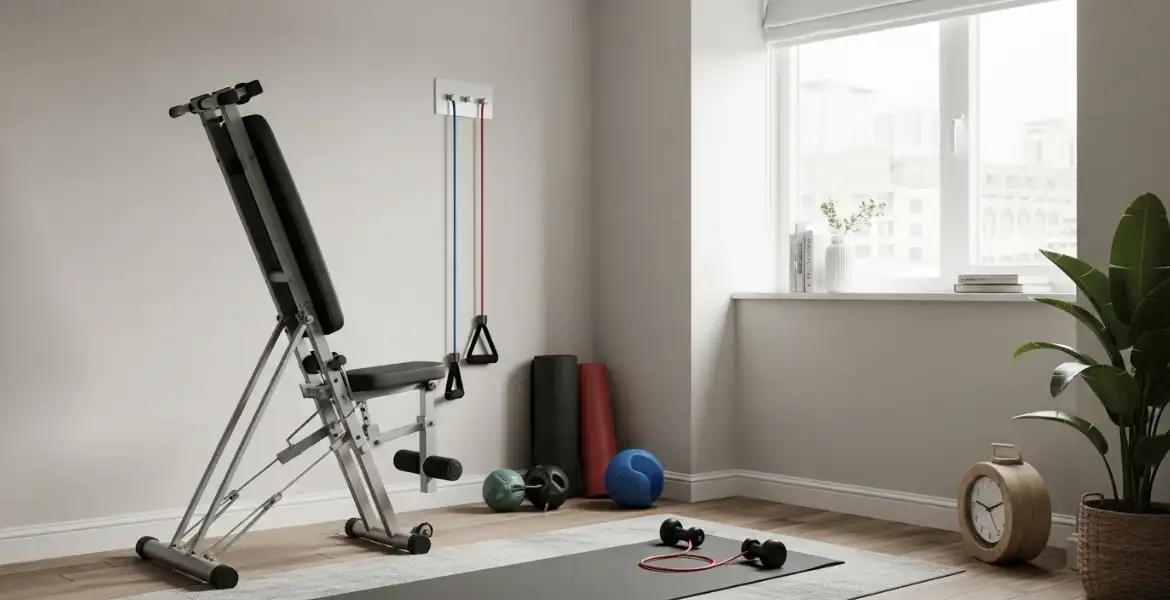
Creating a mini gym at home is one of the easiest ways to stay active without leaving your space. You don’t need large machines or expensive gear. Simple equipment, flexible layouts, and storage tricks can turn even a spare corner into a workout zone. These ideas focus on real homes, tight layouts, and realistic budgets. Each setup helps you move, stretch, and train comfortably while keeping your home clutter-free and livable.
- Foldable Workout Mat Zone
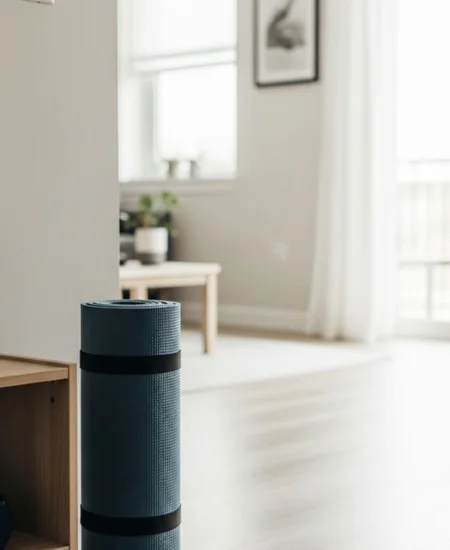
A foldable mat creates an instant gym without taking over the room. Roll it out when it’s time to train. This setup works well in bedrooms or living rooms. Choose a mat that offers grip and light padding. Store it behind a door or under a sofa. Pair it with bodyweight exercises like squats, push-ups, and stretching. Add resistance bands for variety. This setup costs little and adapts to any routine. Even ten minutes a day feels manageable when the setup is simple. Keep the area clear so movement feels easy. A mat zone proves you don’t need equipment to stay consistent.
- Wall-Mounted Resistance Band Station
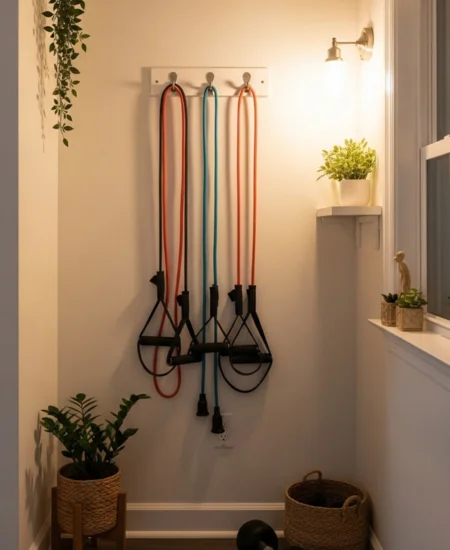
Resistance bands take almost no space and support full-body workouts. Mount simple hooks on a wall or inside a closet. Hang bands by strength level for quick access. This setup keeps floors clear and avoids clutter. Bands work for arms, legs, and core. They’re quiet and apartment-friendly. Use them for warm-ups or full sessions. Choose durable bands with handles for comfort. A small hook rack costs little and installs easily. This wall station fits bedrooms, hallways, or spare corners. It’s a smart way to keep fitness tools visible and ready without filling the room.
- Under-Bed Gym Storage Setup
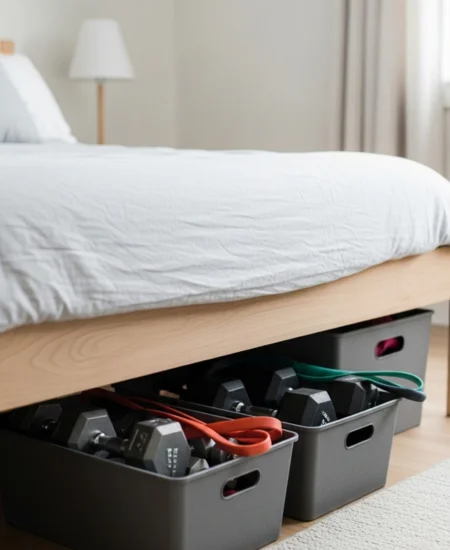
The space under your bed often sits unused. Turn it into gym storage. Use flat bins for dumbbells, sliders, or ankle weights. Label each bin for quick access. This keeps workout gear out of sight while staying easy to reach. Choose compact weights to save space. This setup works well for shared rooms where clutter matters. Pull the bin out, train, then slide it back. The room stays calm and organized. Budget bins work just fine. This method helps keep workouts consistent without changing your room layout.
- Doorway Pull-Up Bar Corner
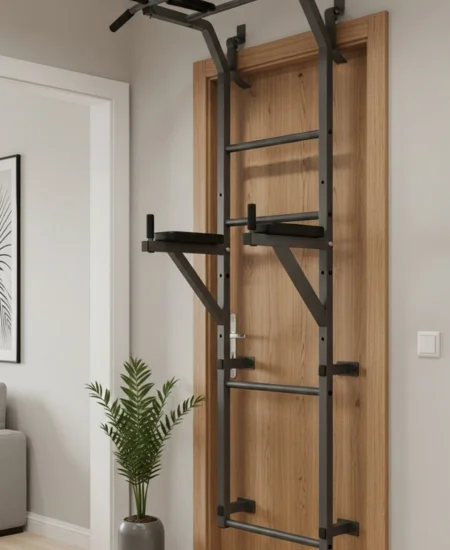
A doorway pull-up bar adds strength training without floor space. Install it securely and remove it when not in use. Many models don’t require drilling. Use it for pull-ups, hangs, or resistance band rows. This setup fits apartments and small homes. Pair it with a mat for safety. Keep the area clear for movement. It’s a low-cost way to train upper-body muscles. Even short sessions add value. The doorway setup turns unused space into a workout spot without permanent changes.
- Compact Dumbbell Rack by the Wall
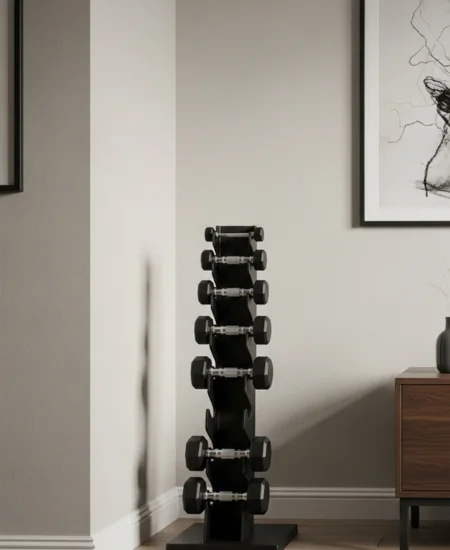
A small dumbbell rack keeps weights organized and safe. Choose a vertical rack to save floor space. Place it near a wall or in a corner. Adjustable dumbbells reduce clutter and cost less over time. This setup supports strength training without spreading equipment across the room. Keep weights within easy reach to stay consistent. The rack also prevents damage to floors. Even a pair of light dumbbells can support many workouts. A tidy setup makes daily training feel easier and more inviting.
- Fold-Down Wall Workout Bench
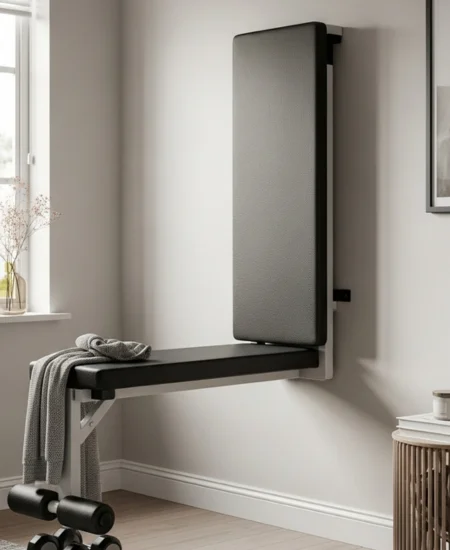
A fold-down bench gives you support without claiming floor space all day. Mount it on a sturdy wall. Fold it up after training. This works well for presses, step-ups, and seated moves. Choose a lightweight model with simple hardware. If buying feels costly, build a DIY version with plywood and wall brackets. Keep a mat underneath for comfort. Store dumbbells on a nearby shelf. This setup suits studios and guest rooms. It keeps workouts flexible while the room stays usable for daily life. A quick fold makes cleanup simple, which helps with consistency.
- Mirror-Backed Workout Corner
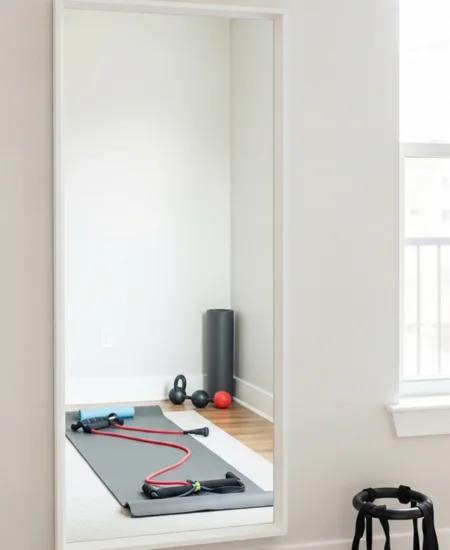
A full-length mirror supports form checks and makes rooms feel open. Place it against a wall near your mat. Use it for yoga, strength work, or stretching. Mirrors reflect light and add depth, which helps small rooms feel less tight. Thrift stores often have budget mirrors. Secure it safely to avoid tipping. Keep equipment minimal nearby. This corner feels intentional without crowding the space. Seeing your movement helps stay focused. It’s a simple upgrade that serves both fitness and decor.
- Closet-to-Gym Conversion

A closet can double as a workout nook. Clear one side and add shelves for bands, towels, and weights. Keep a mat rolled upright. Train just outside the closet door.. This works well in bedrooms or hallways. Use baskets to group items by workout type. Add a small hook for bands. This setup hides gear and keeps rooms calm. A closet gym keeps everything in one place, which saves time.
- Portable Cardio Kit
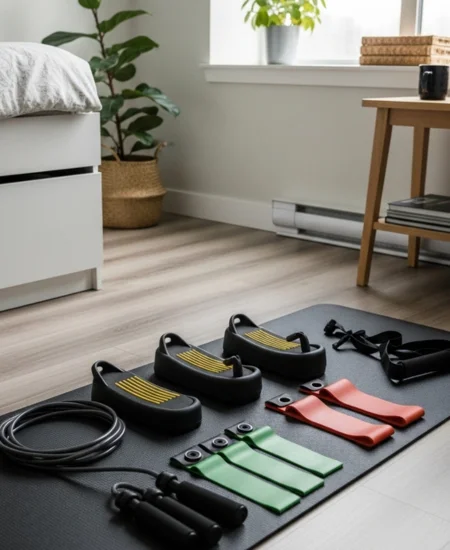
Skip bulky machines and choose portable cardio tools. Jump ropes, sliders, and step platforms store easily. Use them on open floor space. Keep the kit in a tote or basket. This setup supports short, effective workouts. It’s quiet and apartment-friendly. Choose soft ropes for indoor use. Sliders work well on carpet or rugs. This kit costs little and adapts to many routines. Pack it away after training to keep rooms clear. Movement stays flexible and simple.
- Window-Side Stretch and Mobility Area
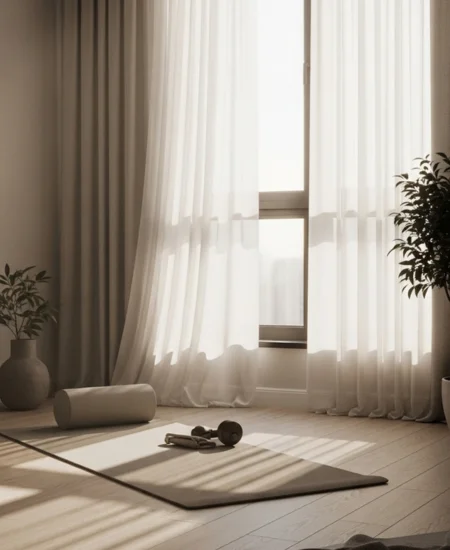
A window-side area works well for stretching and mobility. Natural light makes sessions feel calm and focused. Place a mat near the window. Add blocks or straps in a small basket. Use this space for warm-ups or recovery days. It doesn’t interrupt the room layout. This area supports daily movement without equipment. Open curtains during the day. Keep the setup simple. A calm stretch zone helps build a steady habit and keeps the space inviting.
Conclusion
A mini gym at home works best when it stays simple and easy to manage. Small spaces can still support strong routines with smart layouts, portable gear, and hidden storage. Each idea shows how to train without crowding your home or spending much. Start with one setup that fits your room and daily schedule. Use what you already own. Adjust as your routine grows. With consistent use and thoughtful placement, even a compact area can support regular movement and long-term habits.
